FRESCO4NoPain Training school 2
FRESCO4NoPain Training school 2
Reconnecting the network in Heidelberg
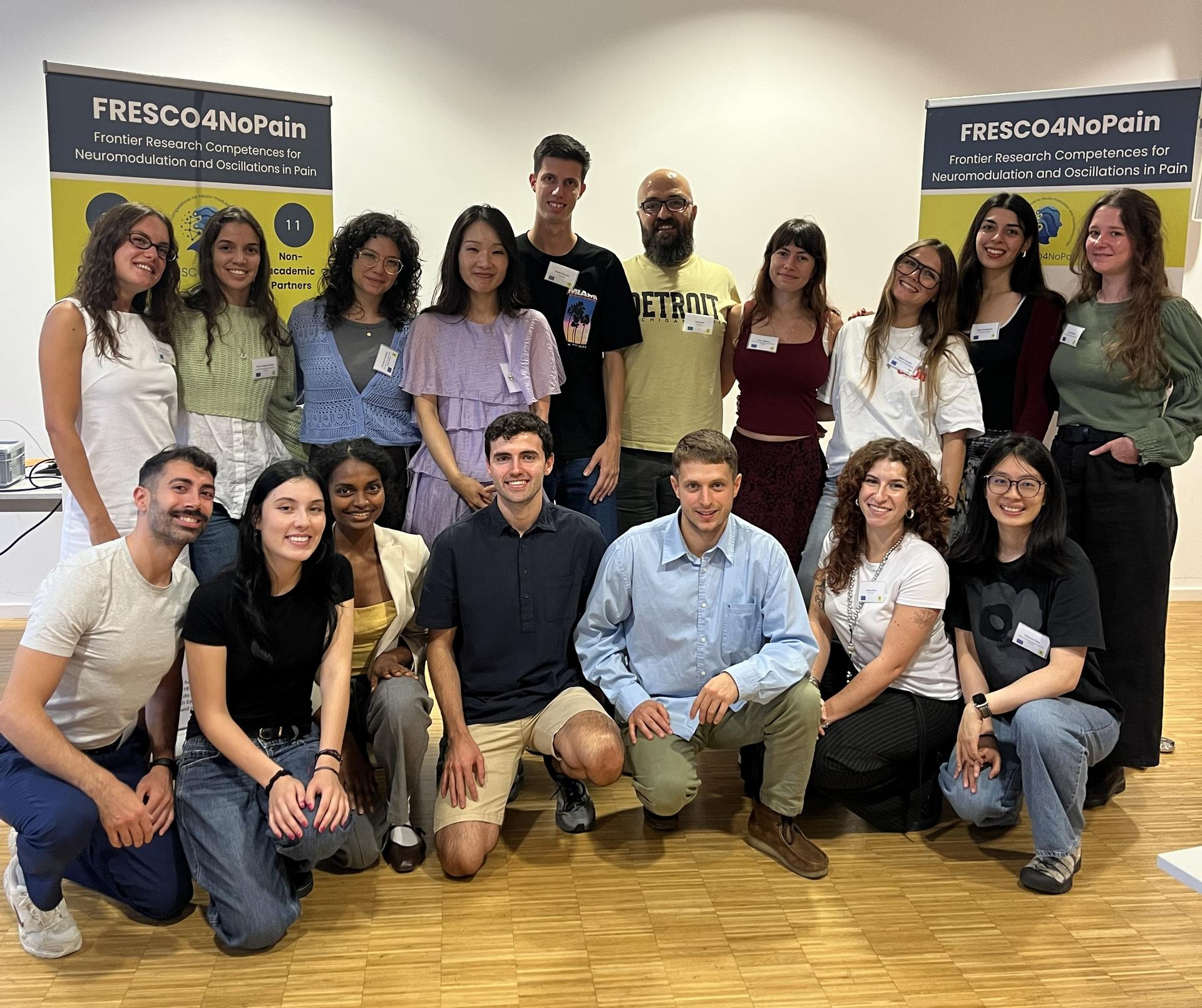
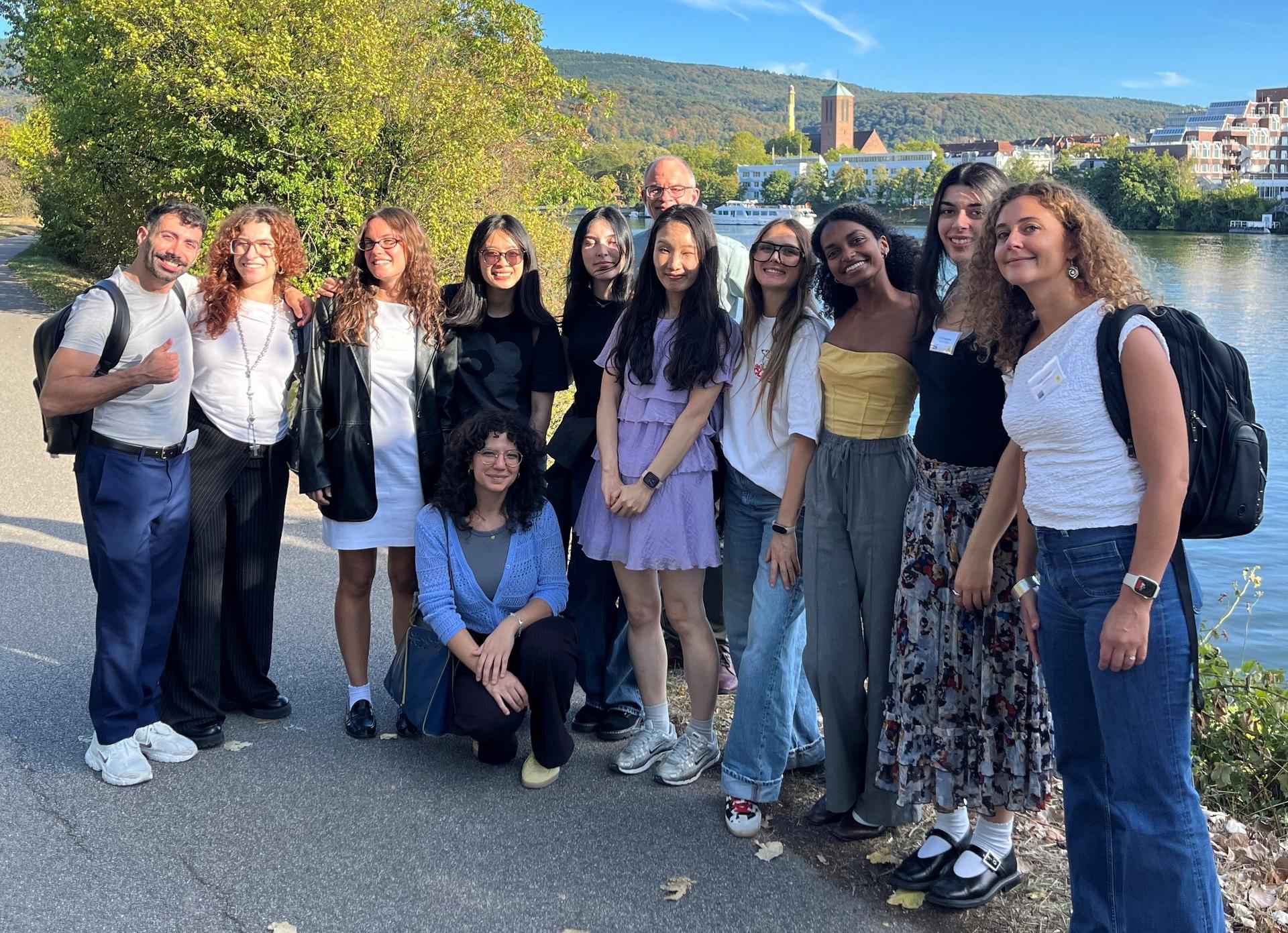
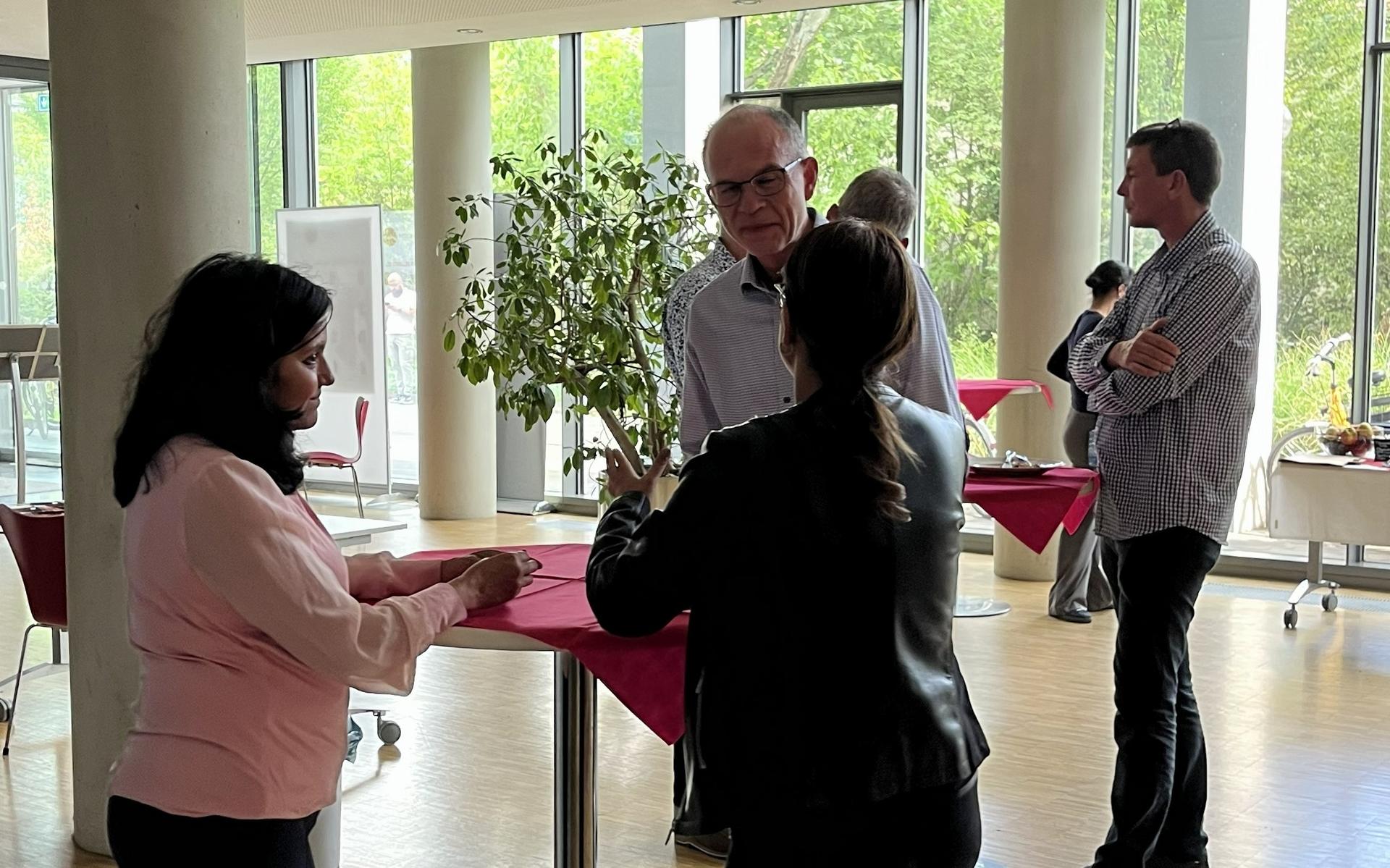
The FRESCO4NoPain network reunited in Heidelberg as our 17 Doctoral Candidates approached the end of their first year in the project. The training school offered opportunities to share progress, exchange ideas and strengthen connections across the network.
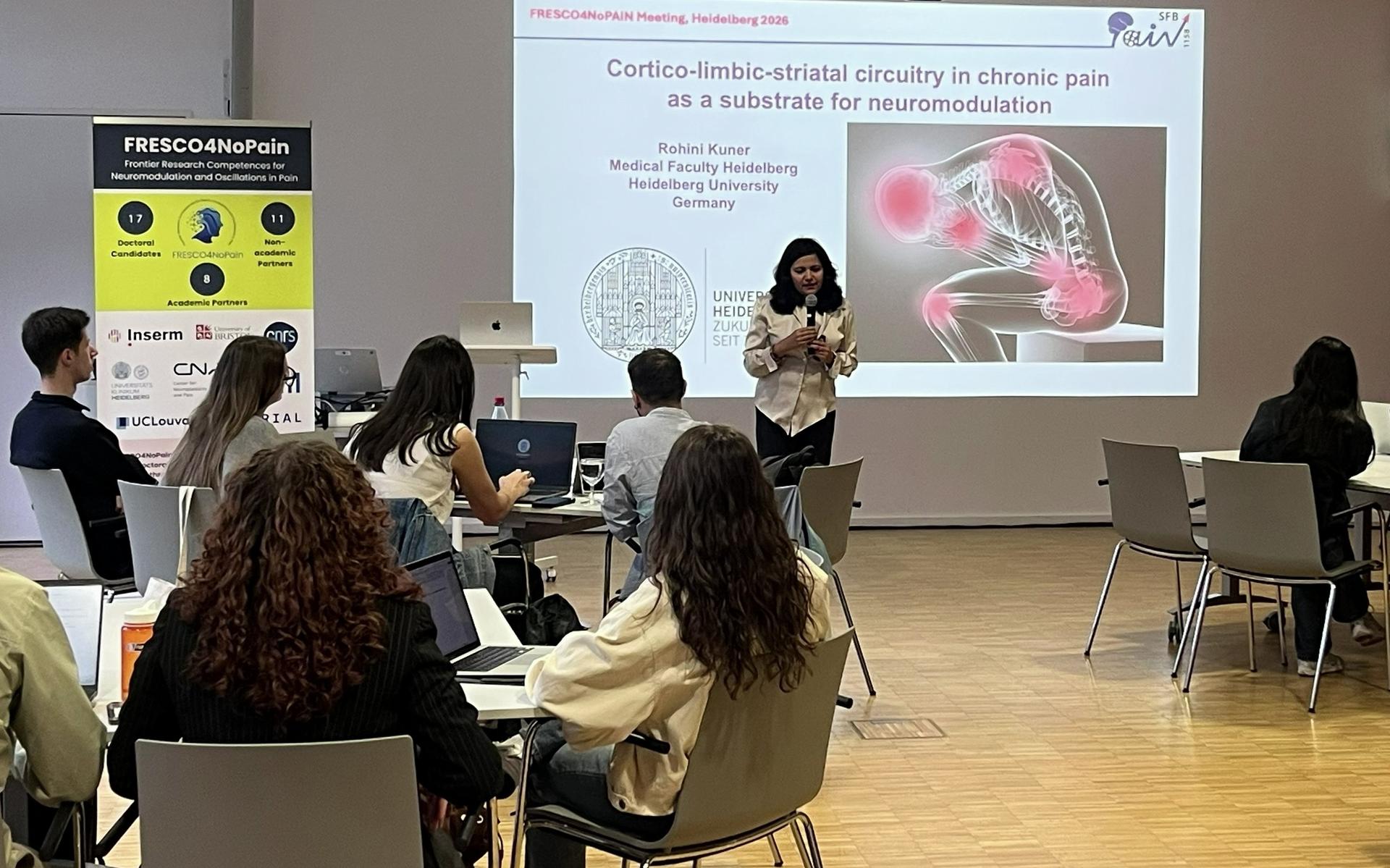
The Heidelberg training programme focused predominately on preclinical research, complemented by laboratory visits and transferable skills training. The event was hosted by Prof. Rohini Kuner and Heidelberg University, with another excellent programme put together by Dr. Giulia Liberati from the Catholic University of Louvain.
From neural circuits to pain relief
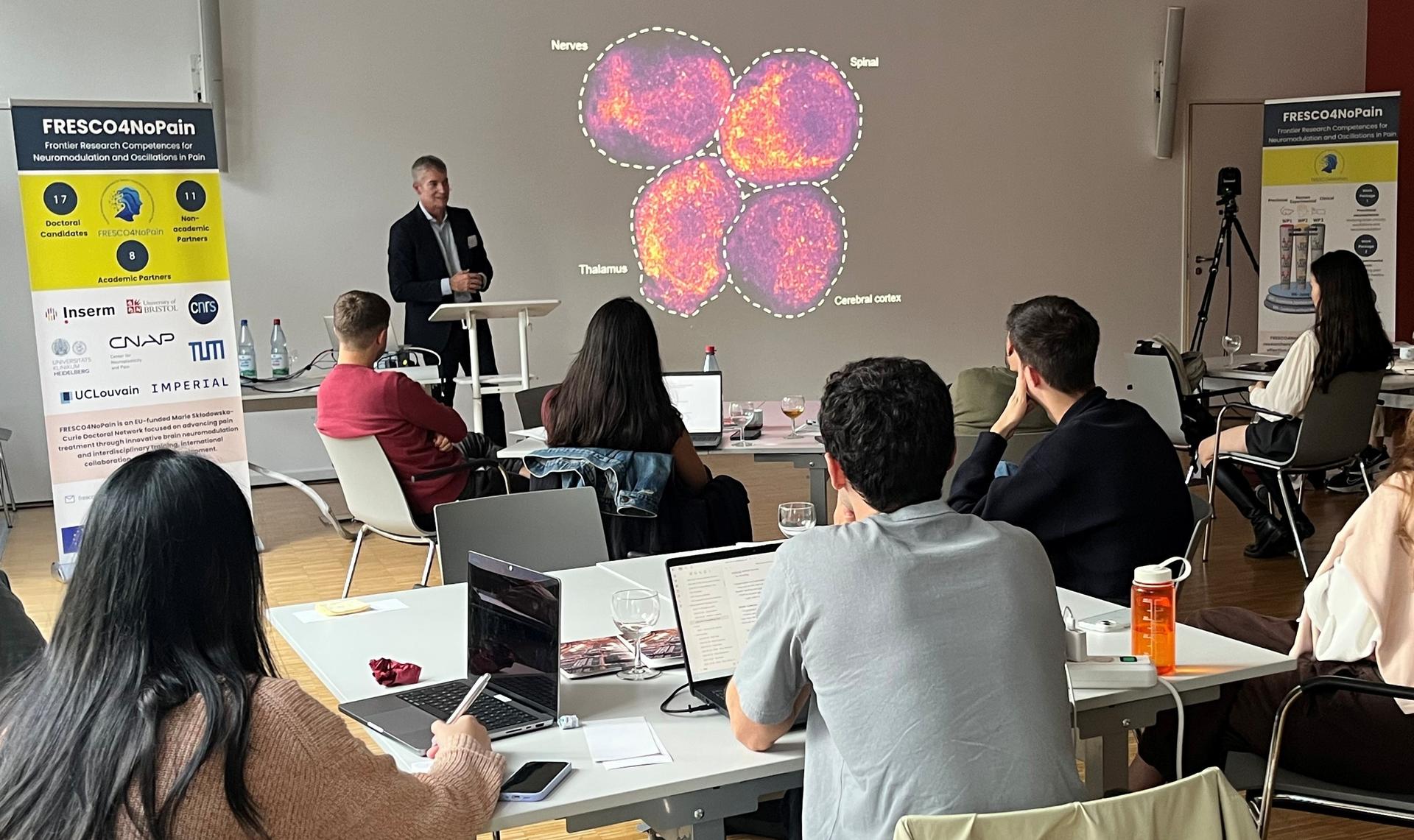
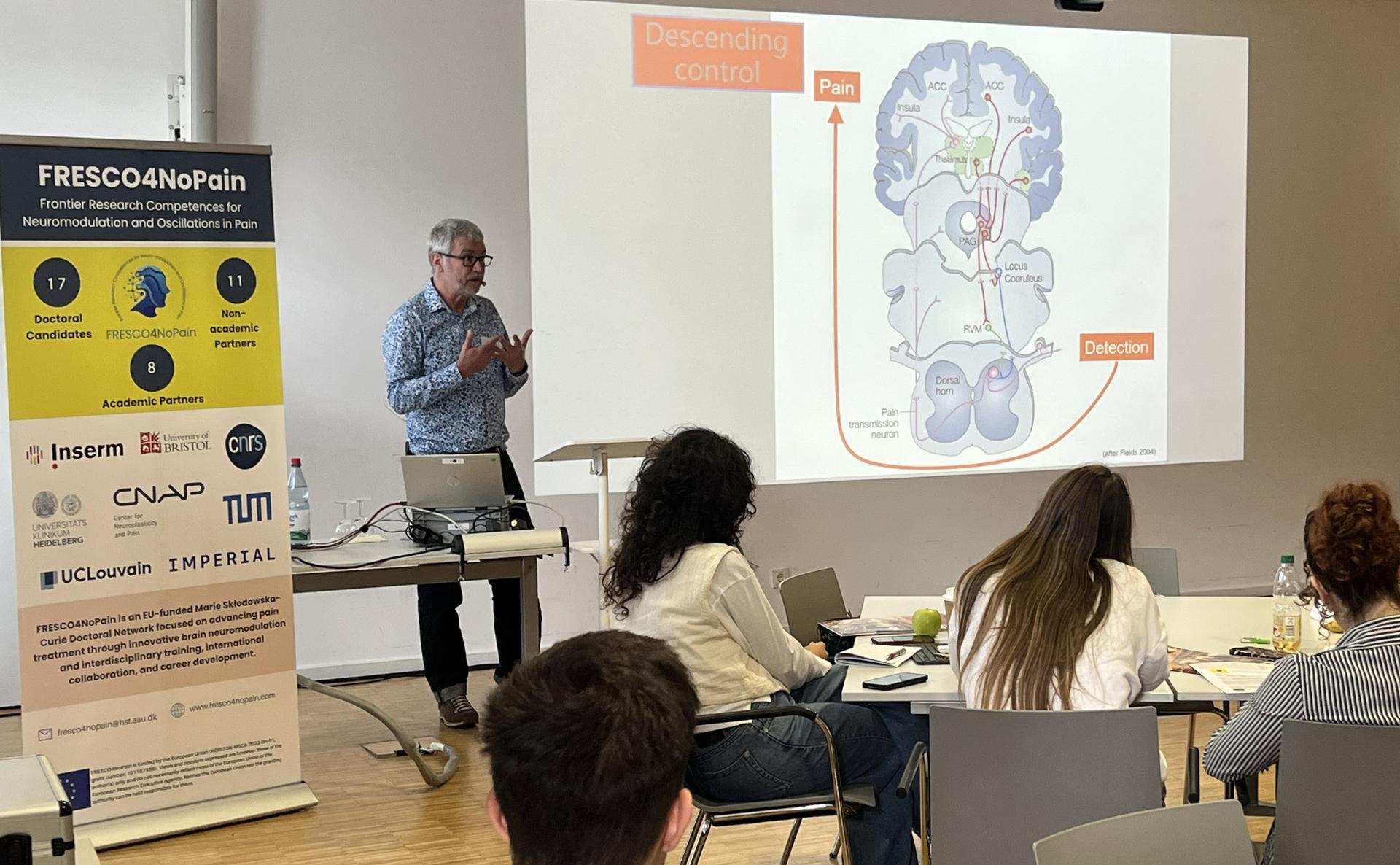
The scientific sessions focused on preclinical research within Work Package 1 (WP1), exploring how pain alters brain function in rodent models and how healthy brain oscillatory activity might be restored. The research aims to identify key brain regions and networks involved in pain processing, paving the way for new approaches to pain management.
Prof. Gregory Scherrer's (University of North Carolina) keynote explored neural circuits and new therapeutics for the multiple dimensions of pain. Ass. Prof. Nicole Mercer Lindsay (Weill Cornell Medical College) presented research on neural plasticity underlying long-term analgesia from motor cortical stimulation, while host Prof. Rohini Kuner discussed neocortical-limbic circuits in chronic pain and their targeting through neuromodulation.
Further advanced scientific courses covered brain stimulation in animal models, electrophysiological methods and translation between rodent and human pain mechanisms. Perspectives from human pain research, Pain Alliance Europe and EFIC connected the preclinical focus with clinical questions and collaborative research.
Building transferable skills and collaborations
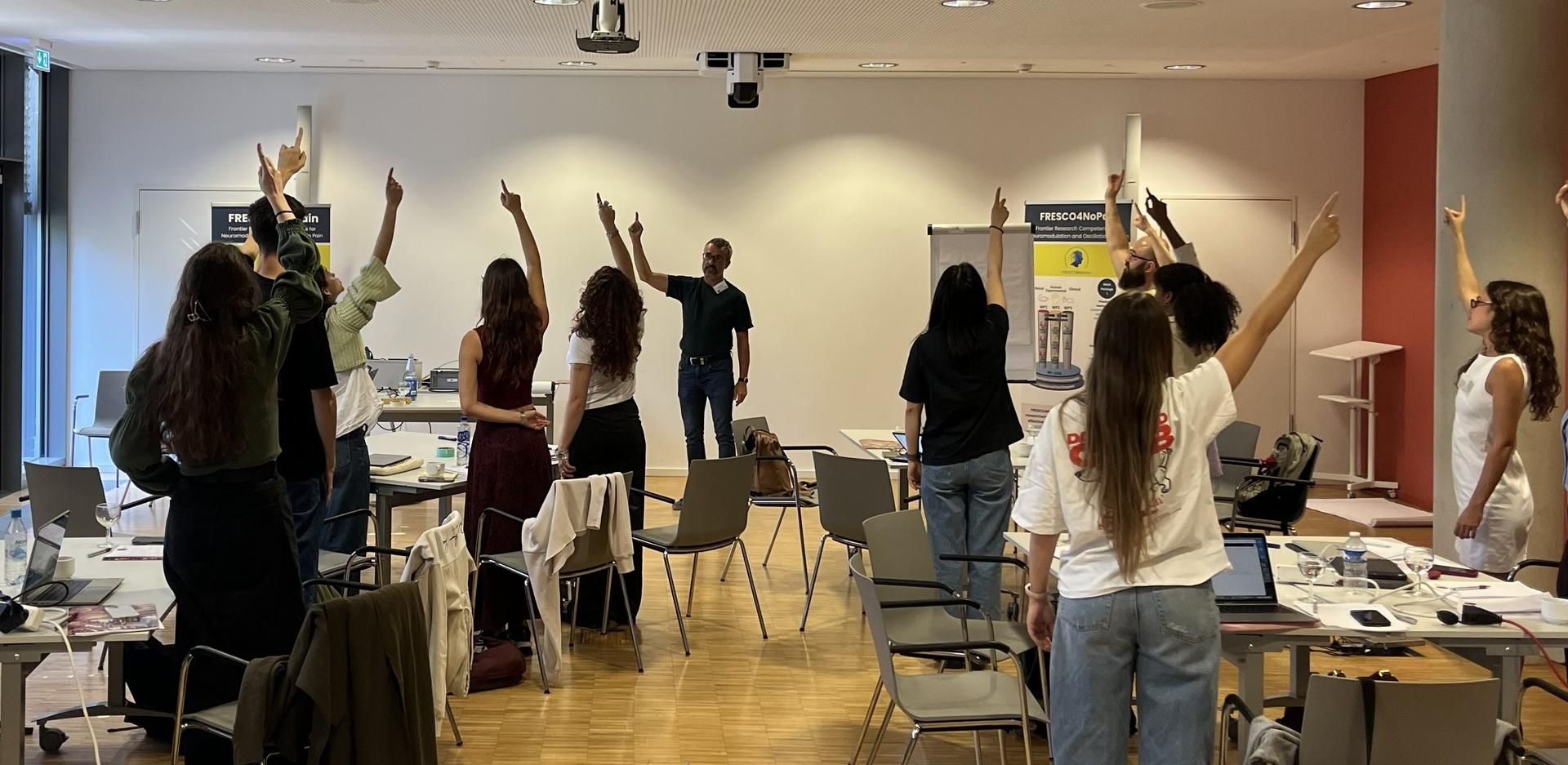
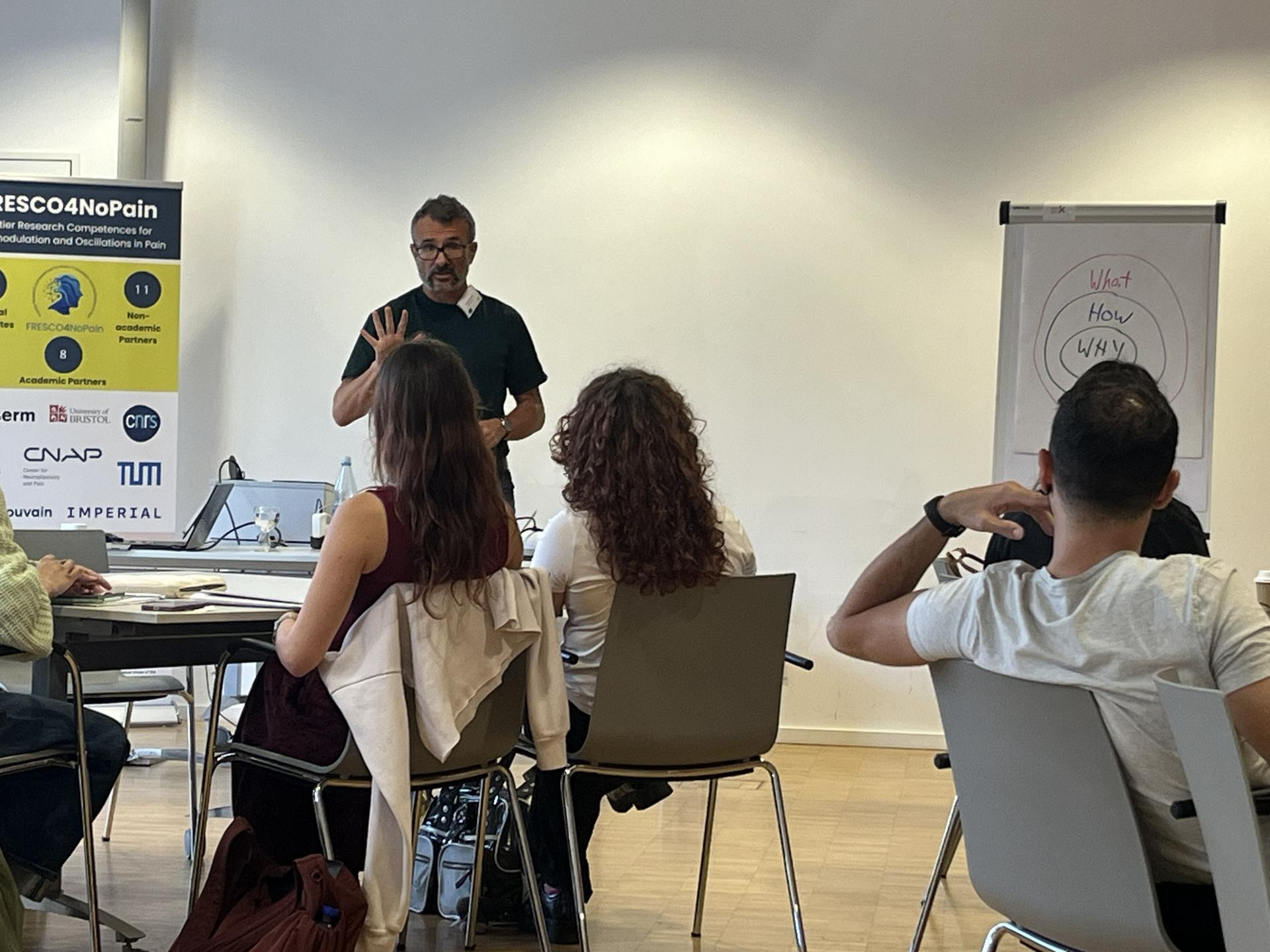
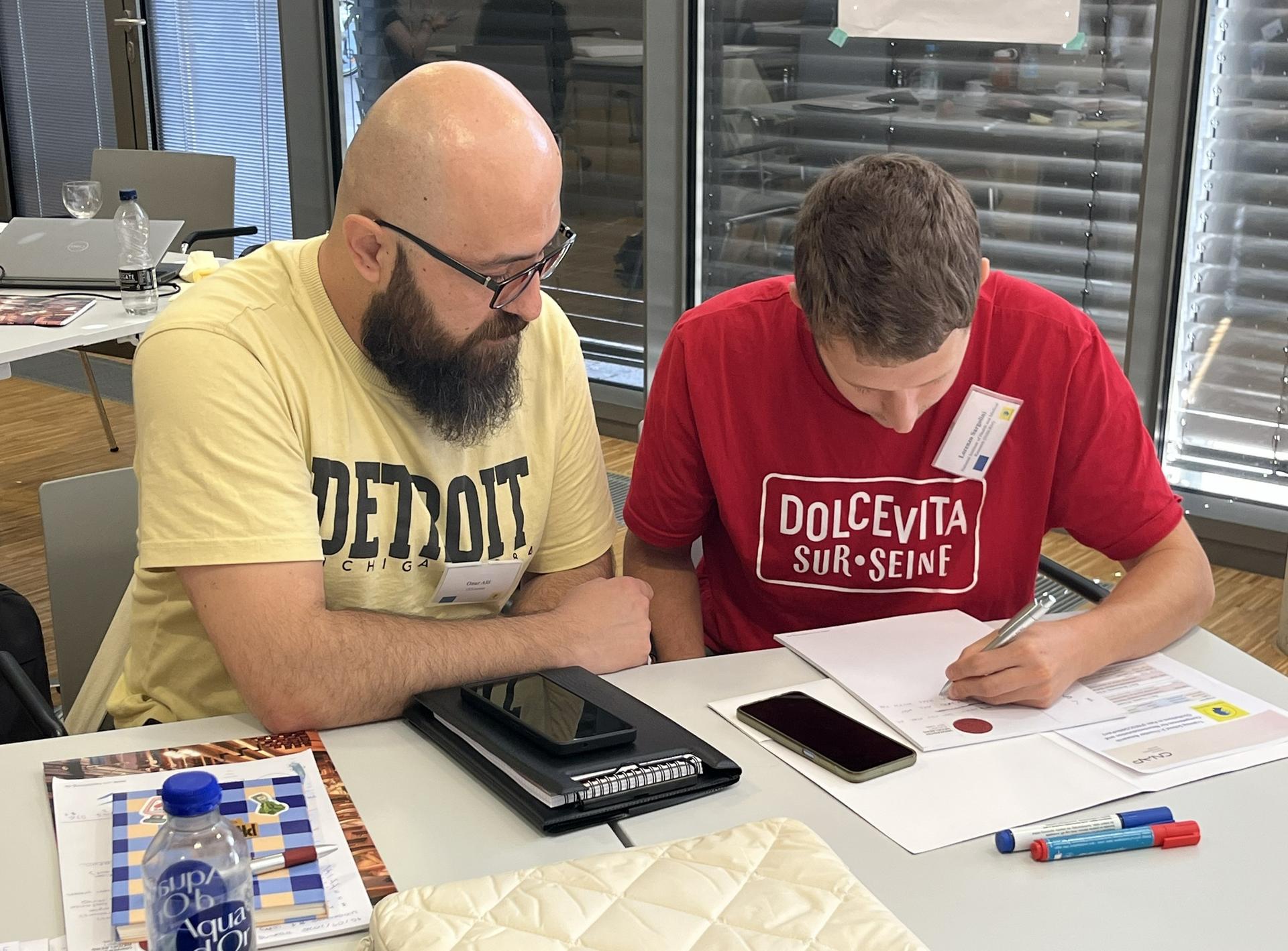
The training school also featured a one-and-a-half-day transferable-skills workshop focusing on scientific writing, oral presentations and the use of AI assistants in scientific communication. Working with their own research material, the Doctoral Candidates explored structure, storyline and effective communication.
The programme also included with a workshop by NC3Rs on critically evaluating journal articles involving animal studies, reinforcing skills relevant to rigorous preclinical research.
Laboratory visits complemented the training school's preclinical focus, giving doctoral candidates insight into pain and neuroscience research methods and opportunities to exchange ideas with researchers beyond their own institutions.
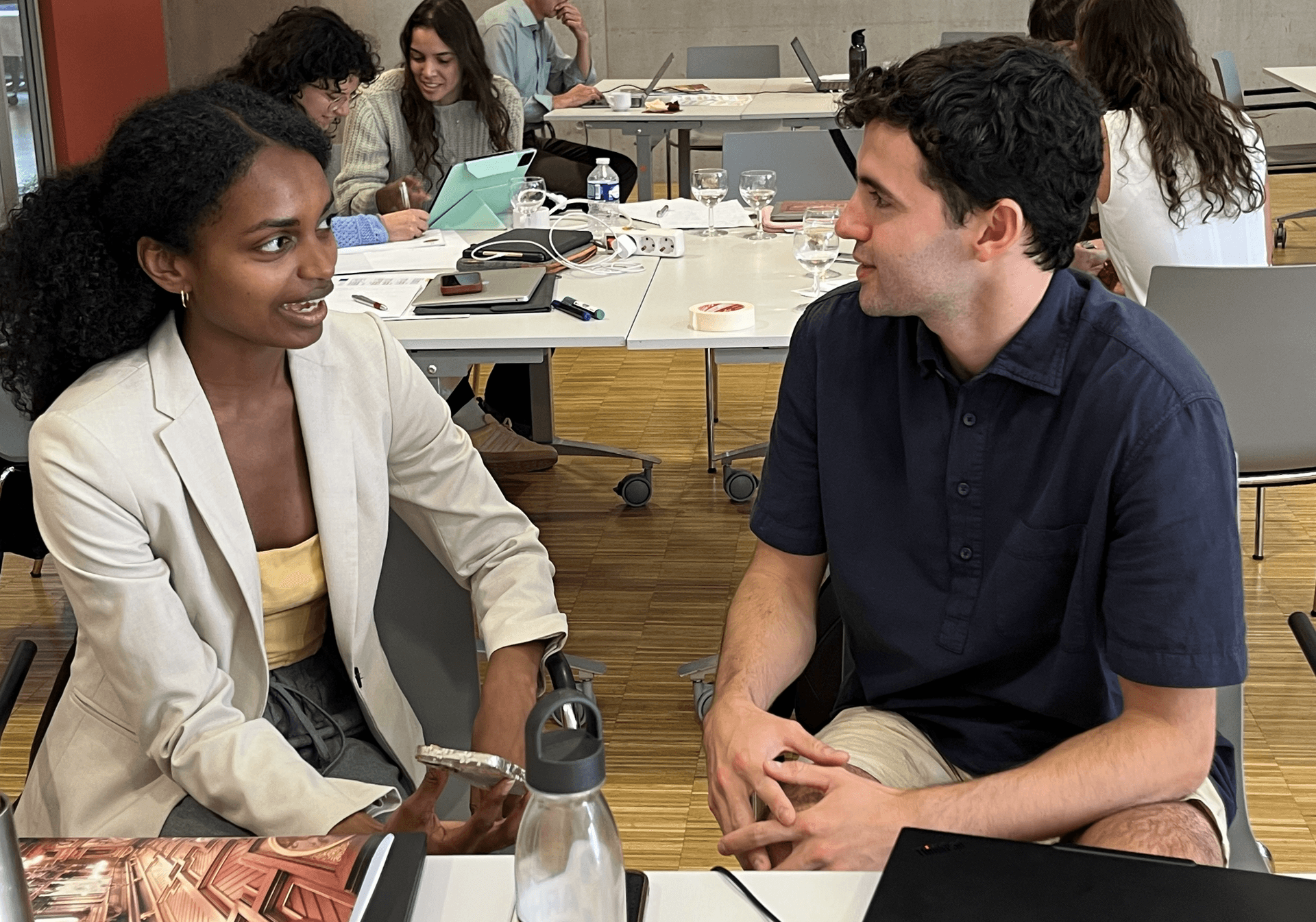
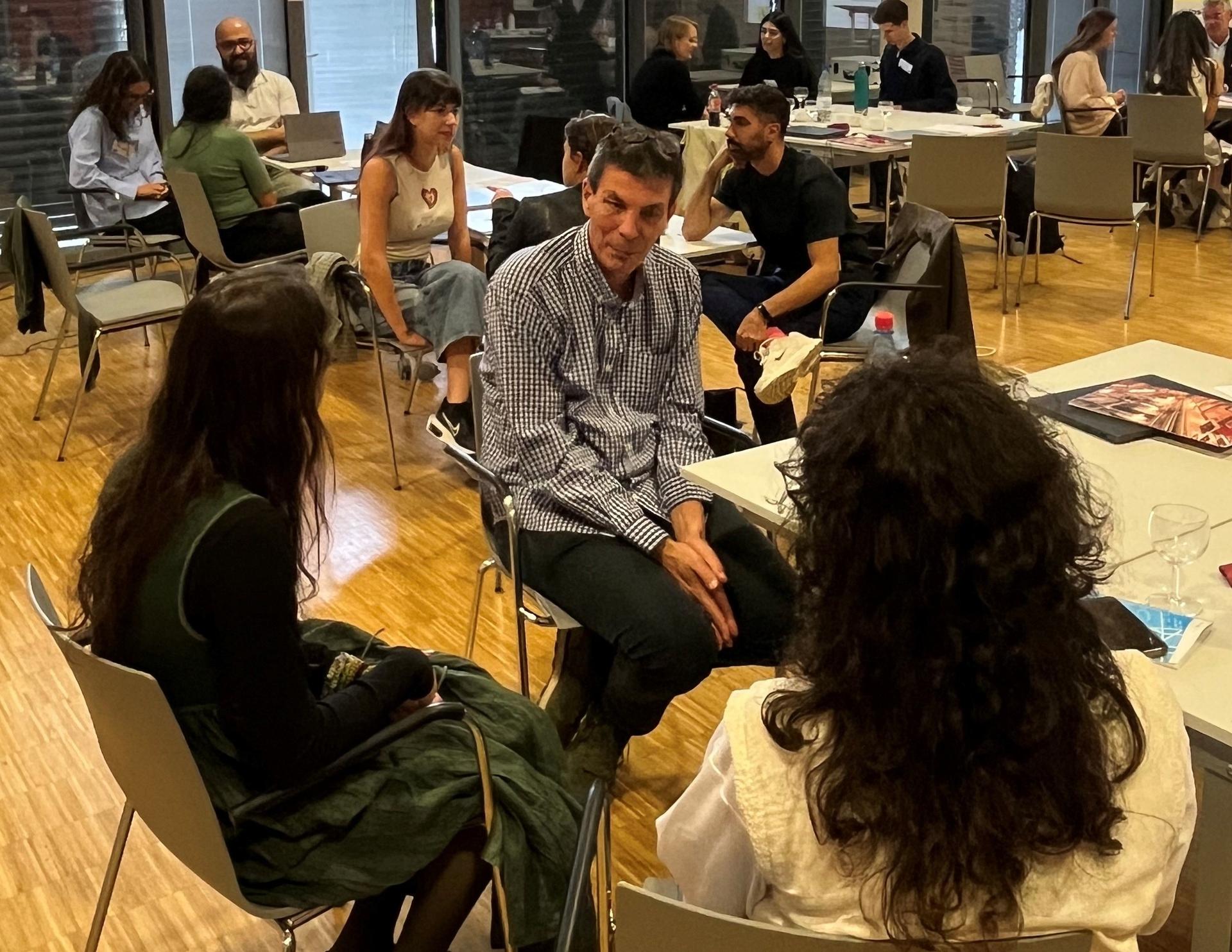
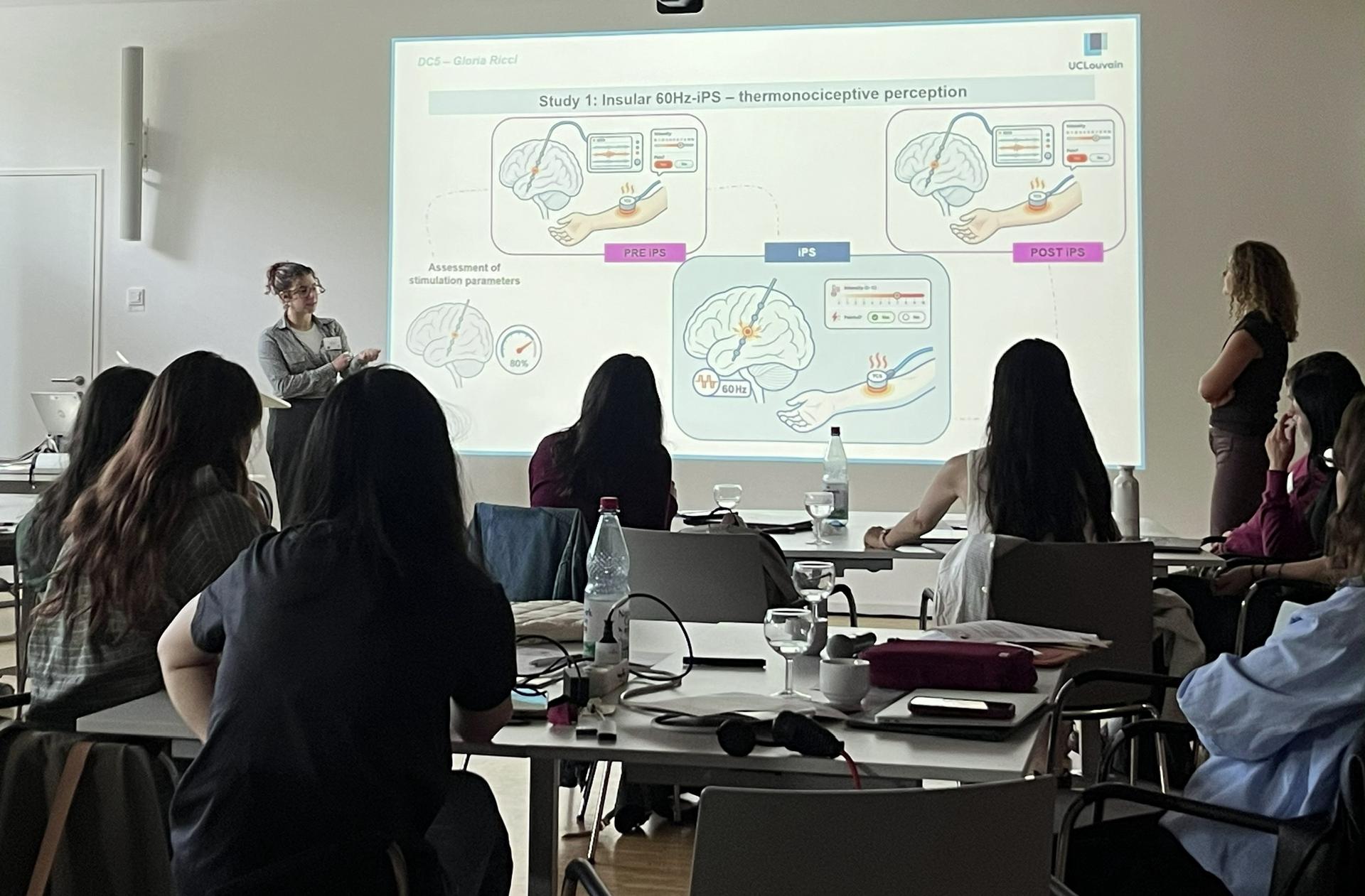
Doctoral candidate presentations and Scientific Speed Dating created opportunities for feedback, focused discussion and new connections across the network.